 Español
 Portugues
 Pусский
 العربية


Fluorocarbon Coating Calcium Silicate Board: The Straight Talk on What It Is and Why It Matters
If you're looking at exterior cladding or high-performance interior wall panels, you've probably come across the term "fluorocarbon coating calcium silicate board." It's a mouthful, I know. But behind the long name is a genuinely useful building material that solves some real problems—especially if you're tired of watching painted walls fade, peel, or look dated after a few years.
Let me walk you through what this board actually is, how it's made, where it works best, and what you need to watch out for when you're buying it. I'll keep the jargon light and the practical advice heavy.
The name tells you most of the story. It's a two-part product: a calcium silicate board as the base, and a fluorocarbon coating on the surface.
The base board is made from siliceous materials (things like sand, fly ash, or diatomite) mixed with calcareous materials (lime or cement), reinforced with fibers, and then cured under high heat and pressure. The result is a dense, strong panel that's completely non-asbestos, doesn't rot or swell, and is inherently fire-resistant. It typically has a density around 1.4 to 1.5 g/cm³, bending strength of 15 to 22 MPa, and water absorption under 25%—numbers that tell you this stuff is tough and stable.
The coating is where the magic happens. Fluorocarbon paint—often referred to as PVDF (polyvinylidene fluoride) or FEVE-based—is applied to the board surface. This isn't your standard wall paint. Fluorocarbon coatings are known for their exceptional weatherability, UV resistance, and chemical stability. The carbon-fluorine bond is one of the strongest in chemistry, which means these coatings hold up against sunlight, rain, pollution, and temperature swings better than almost any other paint system out there.
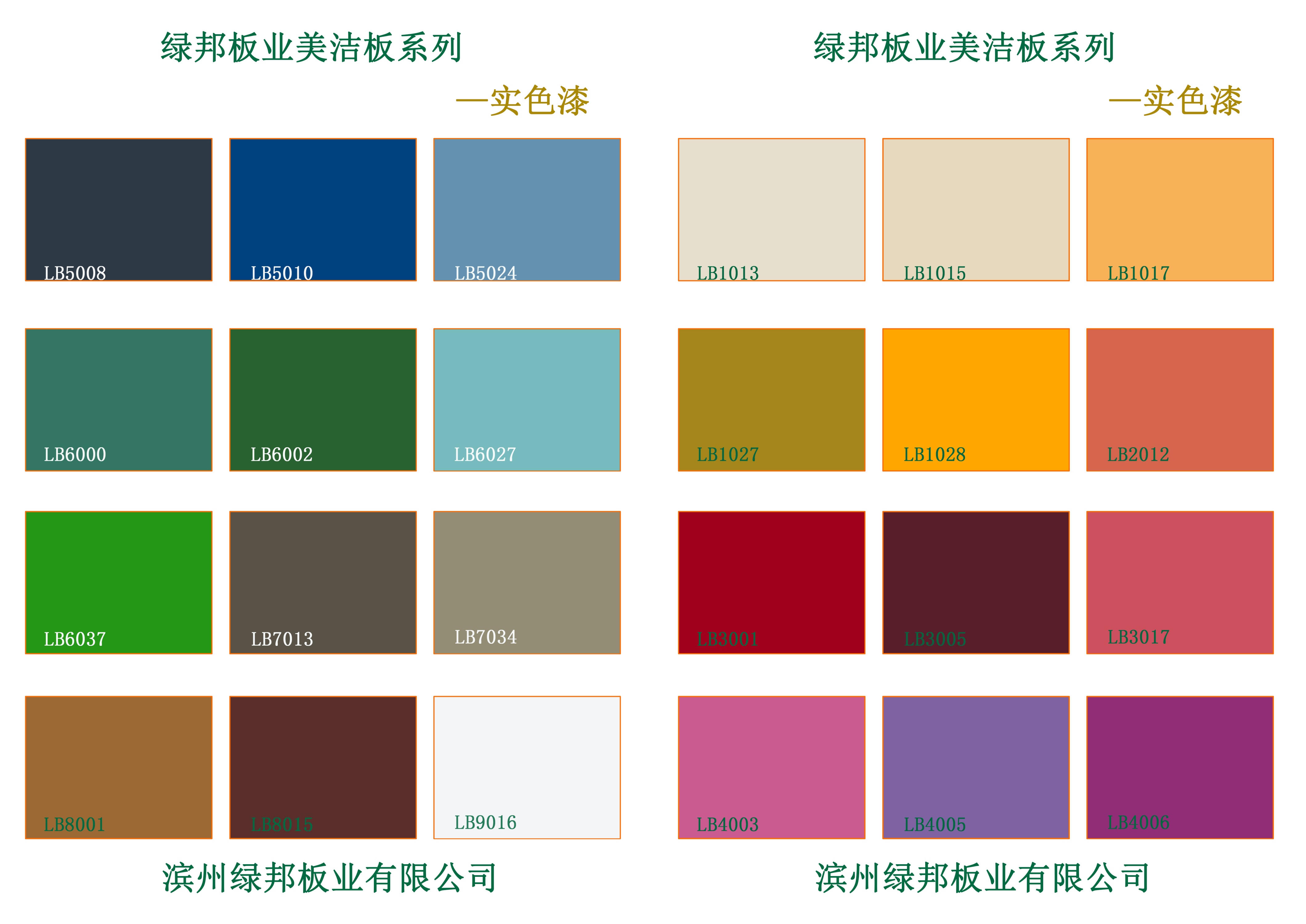
The manufacturing process for a quality fluorocarbon coating calcium silicate board is more involved than you might think. It's not just "paint it and call it done."
A solid manufacturing process typically looks like this :
Sanding: The raw calcium silicate board gets a rough sanding to level the surface. Any larger holes or imperfections get filled with atomized ash to create a smooth base.
Sealing: A waterproof sealant is roller-coated onto the board. This prevents moisture from migrating up through the board and damaging the coating from underneath.
UV Putty and Primer: A UV-cured putty fills any remaining surface imperfections, followed by a UV primer that gets cured under ultraviolet light and sanded smooth.
Fluorocarbon Coating Application: This is the critical step. The fluorocarbon primer and topcoat are applied using a curtain coating process—basically, the board passes under a flowing curtain of paint. This gives a streak-free, smooth finish with no brush marks or roller lines, and it's far more efficient than spraying. A 2440x1220mm board takes about 4-5 seconds to coat, using about 100-120 grams of paint per square meter. Compare that to spraying, which takes about a minute and uses 150-200 grams per square meter.
Baking: The coated board goes through an infrared baking line to cure the fluorocarbon paint. The entire process is far cleaner and more consistent than traditional spray painting.
Here's why you should care about the process: if a manufacturer skips steps or rushes the curing, the coating won't bond properly. That's when you see peeling, blistering, or fading after a few years. A good manufacturer will have control over every step, and they'll be able to tell you about their process.
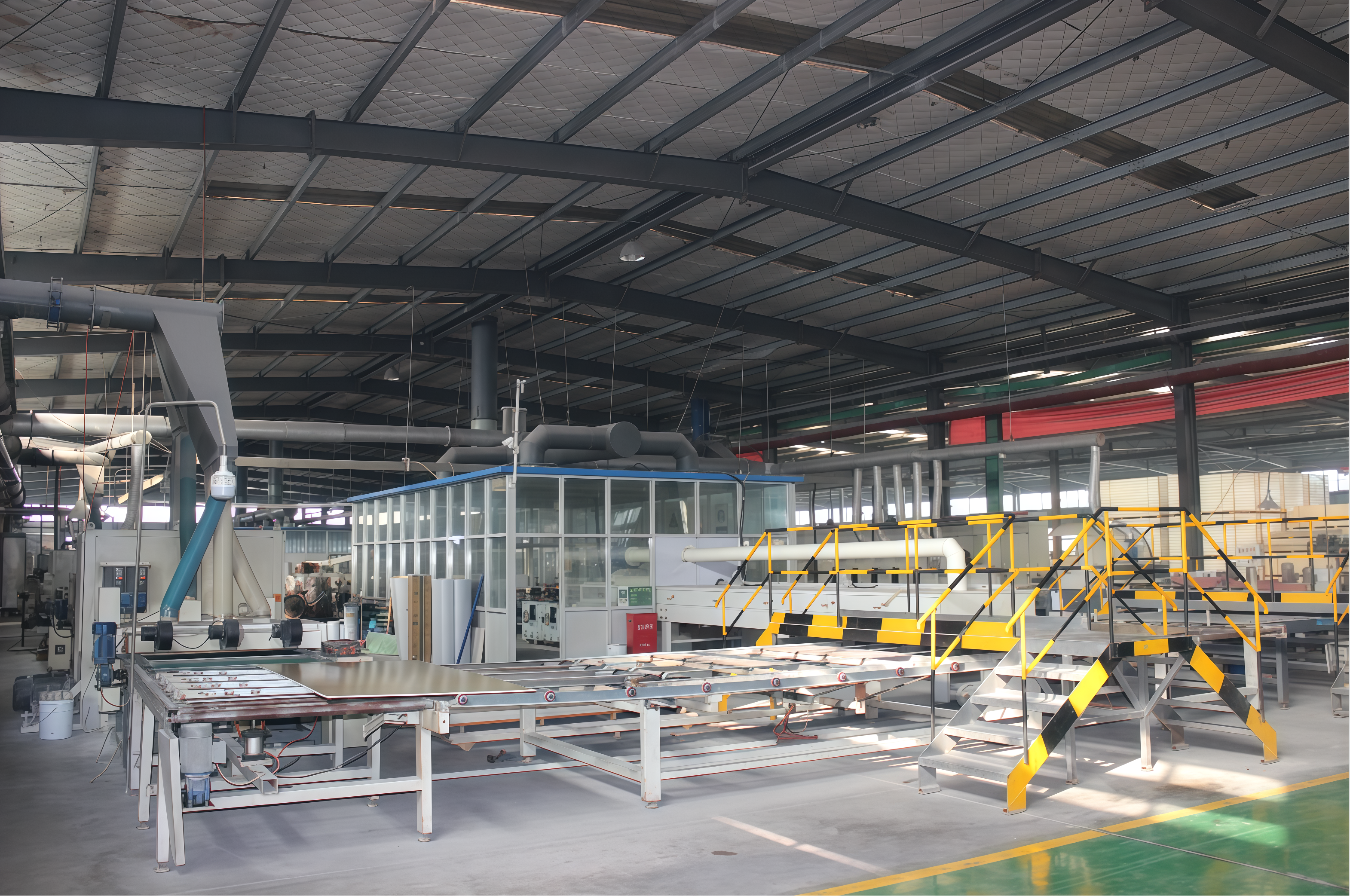
So what do you actually get for your money? Here's the short list.
A1 Fire Rating: This is non-negotiable for many projects. The board itself is non-combustible—it simply doesn't burn. It won't contribute to a fire, release toxic smoke, or create flaming droplets. The fluorocarbon coating doesn't compromise that. This makes it suitable for high-rise buildings, hospitals, schools, and anywhere else where fire safety is a serious concern.
Weather Resistance: The fluorocarbon coating is engineered to sit in the sun and rain for decades without fading or chalking. Accelerated aging tests show these boards can withstand 4,000 hours of artificial weathering—equivalent to many years of real-world exposure—with no bubbles, peeling, or cracks.
Chemical Resistance: Fluorocarbon coatings resist acids, alkalis, and most common chemicals. If you're building near the coast (salt air) or in an industrial area, this is a big deal.
Low Maintenance: The surface is smooth and non-porous, so dirt doesn't stick easily. When it does get dirty, a simple wipe with a damp cloth is usually enough. No repainting, no sealing, no annual upkeep.
Strength and Stability: The calcium silicate base is tough. Bending strength over 16 MPa, impact resistance that passes a falling ball test with no cracking, and dimensional stability that survives 25 freeze-thaw cycles without delaminating. This board won't warp, swell, or crack under normal conditions.
Fluorocarbon coating calcium silicate boards are versatile. Here's where they tend to show up.
Exterior Wall Cladding: This is the big one. The weatherability of the fluorocarbon coating makes it perfect for building facades that need to look good for decades. It's used on everything from residential villas to commercial high-rises.
High-Traffic Public Buildings: Subway stations, hospitals, schools, and airport terminals. Fire safety, durability, and easy cleaning make these boards a natural fit.
Industrial and Warehouse Spaces: The chemical resistance and impact resistance mean these boards handle harsh environments well. Factories and workshops are common applications.
Renovation Projects: Since these boards can be installed over existing surfaces with a dry-hanging system, they're popular for upgrading old buildings without a full demolition.
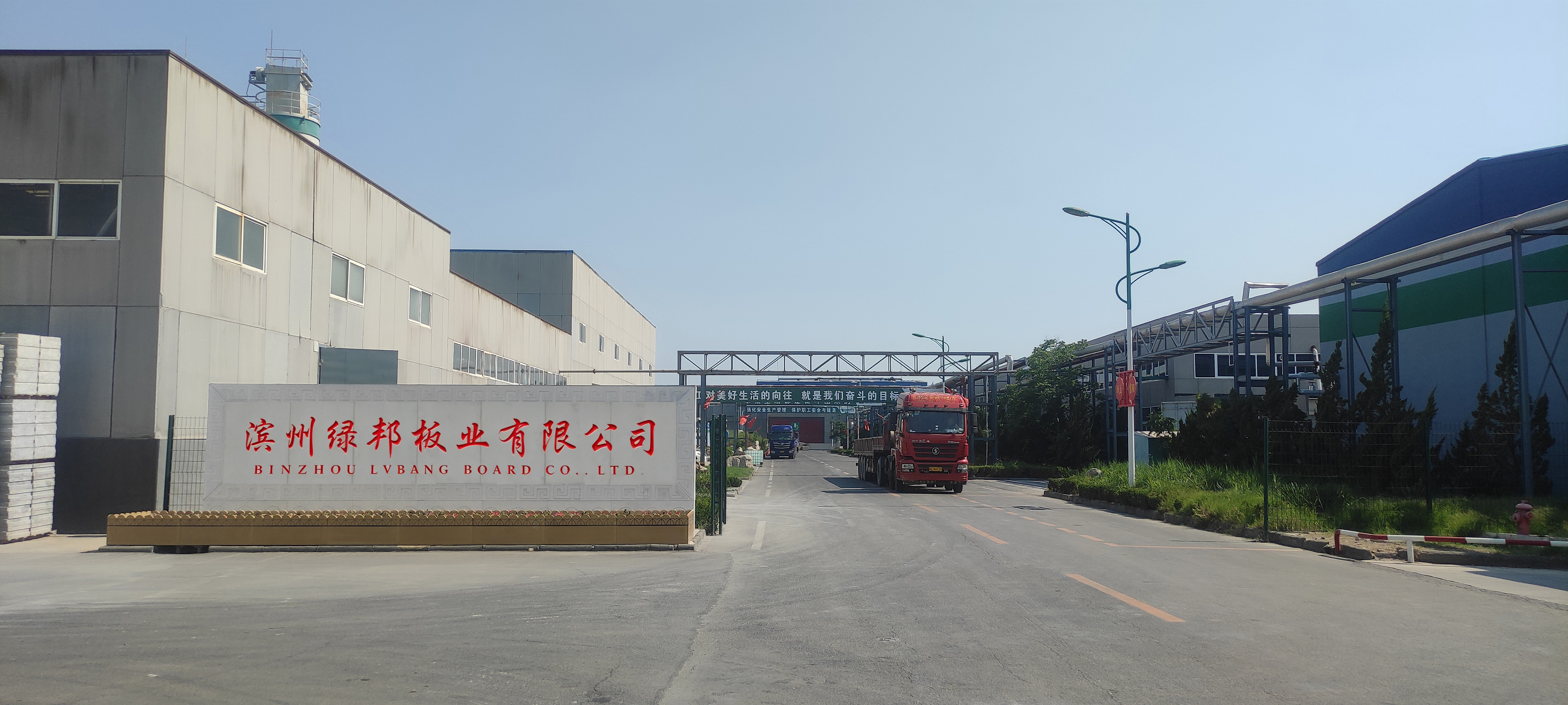
 Binzhou LVbang Board Industry Co., Ltd. is a subsidiary of Guochang Group, located in Binzhou Industrial Park, Shandong. With a 60+ year manufacturing heritage dating back to 1958 and annual sales of RMB 3 billion, the company is a competitive and reliable building panel manufacturer in China’s Yellow River Delta region. Founded in 2003, our modern production base covers 87,000 square meters with large-scale annual output capacity for calcium silicate boards, cement flat sheets, eco-friendly decorative panels and composite wall panels. We supply a full range of new-type decorative and construction boards to meet diverse project demands. Certified with ISO9001, ISO14001, ISO45001 and Three-Star Green Building Product qualifications, our products comply with international quality, environmental and safety standards. Owning nationwide project coverage and stable market reputation, we deliver high-quality, cost-effective building materials for global clients.
Mobile: +86 150 6692 1266
WhatsApp: +86 150 6692 1266
Email: rogerliu0506@163.com
Mobile: +86 187 6968 0454
WhatsApp: +86 187 6968 0454
Email: jacky_xin@outlook.com
Search
Copyright © 2017-2020 cld. All rights reserved. Technical support Cloud Platform
This website uses cookies to ensure you get the best experience on our website.



 WhatsApp
 Phone
Phone E-mail