 Español
 Portugues
 Pусский
 العربية


Lightweight Composite Wall Board: Performance, Manufacturing and Industry Outlook
The global construction sector is shifting rapidly toward modularization, energy conservation, and low-carbon development. Traditional wall materials, including solid bricks, ordinary gypsum drywall, and concrete blocks, feature heavy self-weight, slow on-site construction, and limited functional adaptability, failing to meet the upgrading requirements of modern green buildings, old community renovations, and high-rise construction projects. Driven by strict energy-saving building codes and growing demand for efficient prefabricated construction, lightweight composite wall boards have become a mainstream sustainable building material. The global lightweight composite wall board market maintains steady growth, with a compound annual growth rate exceeding 8% in recent years, as builders prioritize structural load reduction, construction efficiency, and long-term operational energy efficiency.
A lightweight composite wall board is a multi-functional prefabricated building component developed to replace traditional single-layer wall materials. Different from ordinary single-material wall panels, it adopts a mature sandwich composite structure, combining high-strength surface reinforcement layers and low-density functional core layers. Common surface materials include fiber-reinforced cement, calcium silicate, and modified gypsum, while core materials cover lightweight ceramsite, polystyrene foam, and plant fiber composite fillers. Through polymer high-pressure bonding and constant-temperature curing, the material integrates structural support, thermal insulation, sound absorption, and fire resistance, solving the performance defects of single materials that cannot balance strength and light weight.
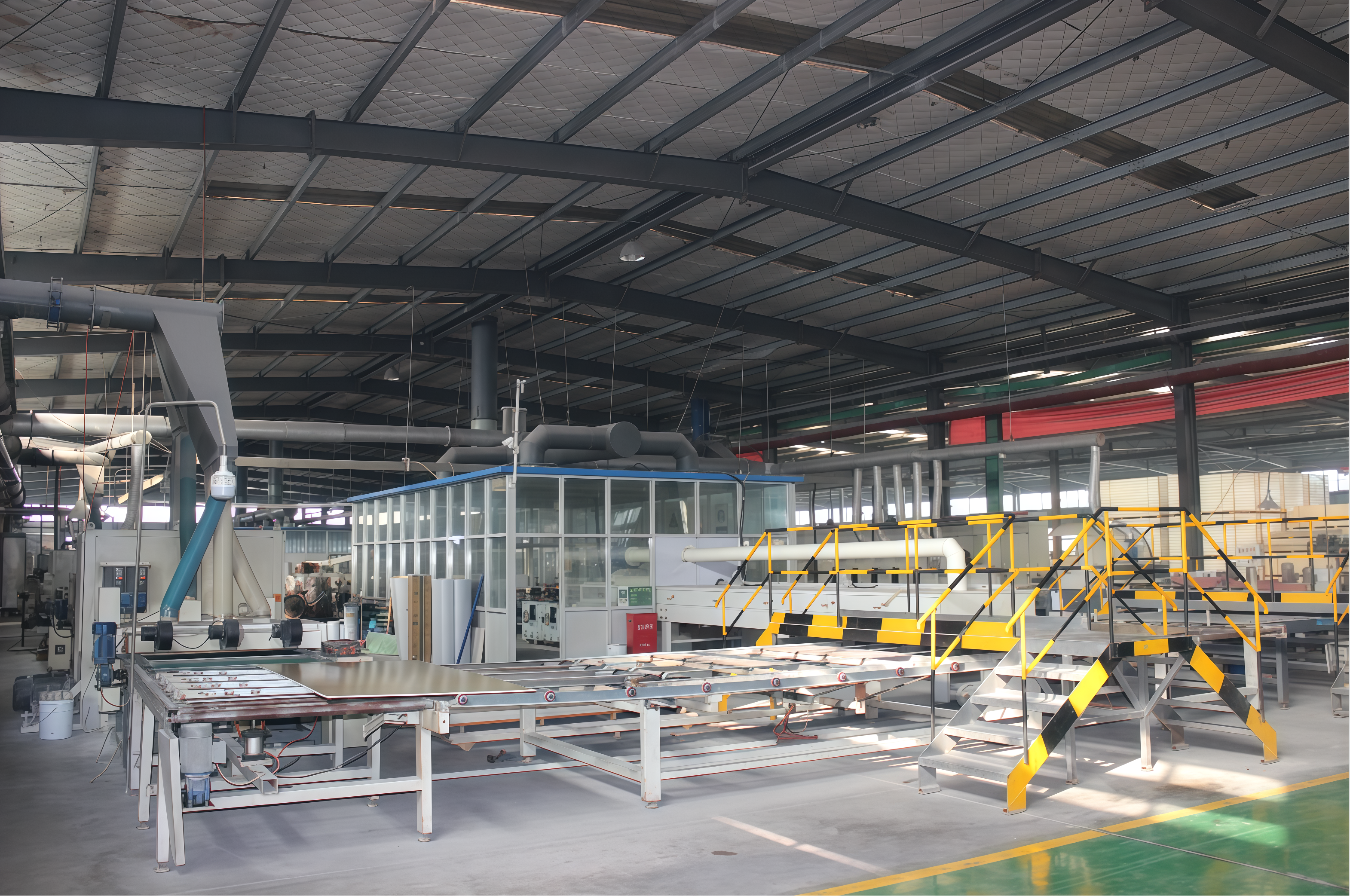
The product’s comprehensive performance is determined by its material formula and standardized manufacturing processes. Qualified lightweight composite wall boards weigh only one-third to one-fourth of traditional brick walls, effectively reducing building dead load and lowering foundation and steel structure engineering costs. In terms of physical performance, formal industrial products reach Class A fire protection standards, with excellent moisture-proof, mildew-resistant, and impact-resistant properties, suitable for long-term use in humid indoor and semi-outdoor environments. The entire production process adopts off-site centralized manufacturing, including raw material screening, automatic batching, high-pressure composite molding, constant-temperature curing, and precise cutting, ensuring stable dimensional accuracy and consistent batch performance.

Multiple core factors directly determine the final quality and service life of lightweight composite wall boards. First, the compatibility and bonding firmness between the surface layer and core material is the key to avoiding delamination and hollowing. Inferior adhesive formulas or insufficient high-pressure treatment will cause structural separation after long-term use. Second, raw material purity and ratio stability matter; excessive recycled fillers will reduce fire resistance and structural strength. Third, curing time and temperature control affect dimensional stability, and incomplete curing easily leads to post-installation deformation and cracking. Additionally, standardized on-site installation and joint sealing treatment are essential to guarantee overall wall performance.
Scientific supplier selection and stable supply chain management are crucial for project quality control. Reliable manufacturers need complete production automation equipment and standardized quality inspection systems, with authoritative third-party certifications for fire resistance, environmental protection, and mechanical properties. In procurement practice, engineering parties should prioritize suppliers with traceable raw material sources and stable batch quality, avoiding small factories that cut costs by reducing curing processes or using low-grade fillers. Meanwhile, mature suppliers can provide customized size processing and professional on-site construction guidance to adapt to different project scenarios.
Despite broad market recognition, the industry still faces prominent pain points restricting high-quality development. The market is mixed with low-cost inferior products, and many small manufacturers simplify production processes, resulting in unqualified fire resistance and poor sound insulation effects. In addition, industry selection standards are not fully popularized, leading to mismatched material selection in special scenarios such as high-rise fire-proof partitions and factory constant-temperature workshops. Moreover, uneven on-site construction professionalism often causes joint cracks and poor sealing, greatly reducing the actual service effect of high-quality products.
With outstanding comprehensive advantages, lightweight composite wall boards are widely applied in diversified scenarios. In commercial buildings such as office buildings, shopping malls, and hotels, their thin-wall and lightweight features expand usable indoor area and shorten construction cycles. In residential renovations and prefabricated residential projects, they adapt to old building load limits and dry construction requirements, reducing construction waste and noise pollution. In industrial plants, schools, and hospital public facilities, their stable fire-proof and sound-insulating performance meets strict public building safety standards.
Looking forward, the lightweight composite wall board industry presents three clear development trends. First, functional integration upgrading, with products developing toward high thermal insulation, high sound insulation, and antibacterial and environmental customization. Second, green low-carbon iteration, manufacturers are gradually adopting recycled plant fibers and energy-saving production processes to reduce carbon emissions. Third, standardized and intelligent development, unified industry construction specifications and intelligent automated production will further improve product stability, making composite wall boards more adaptable to high-end construction and special engineering needs.
 RELATED
 RELATED
Mobile: +86 150 6692 1266
WhatsApp: +86 150 6692 1266
Email: rogerliu0506@163.com
Mobile: +86 187 6968 0454
WhatsApp: +86 187 6968 0454
Email: jacky_xin@outlook.com
Search
Copyright © 2017-2020 cld. All rights reserved. Technical support Cloud Platform
This website uses cookies to ensure you get the best experience on our website.



 WhatsApp
 Phone
Phone E-mail