 Español
 Portugues
 Pусский
 العربية


What We’re Actually Talking About
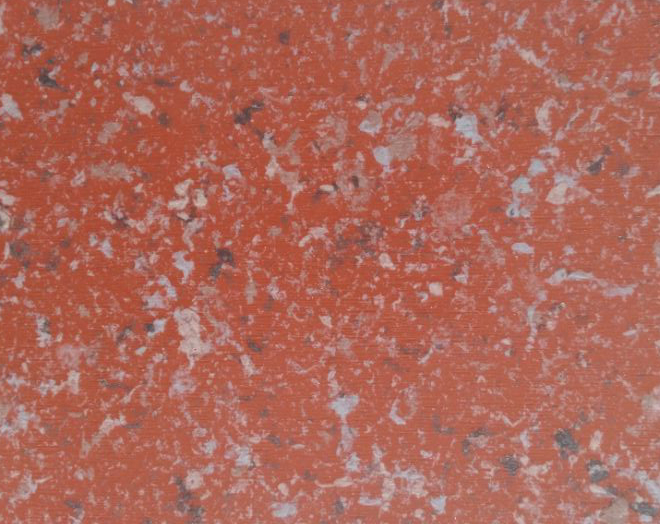
A Multi-color board is exactly what it sounds like: a decorative panel that carries more than one color in its finish. But here’s the thing—there are two different ways manufacturers achieve that, and the difference matters.
The first approach is what I’d call a surface treatment. The board gets a base coat, then a second color is sprayed, rolled, or otherwise applied on top. This is the simpler method, and it’s also the cheaper one. Some manufacturers use spray painting to create a multicolor decorative layer over a plywood or fiberboard substrate. The results can look great fresh out of the factory, but the color is only skin-deep.
The second approach is what I’d call through-coloring. The pigment is mixed into the material itself before the board is formed. This is more common in Fiber cement boards and some engineered wood products. A fiber cement multi-color board from a reputable manufacturer, for example, might have color running all the way through the panel. This is a more expensive process, but it addresses a real problem: surface coatings can chip, scratch, and wear off over time. Through-colored materials don't have that issue.
There’s also a hybrid category where the board is formed in layers, each with a different color, and then the surface is carved or engraved to reveal the layers underneath. This is less common in standard architectural panels and shows up more in signage and specialty applications.
Why This Matters in the Real World
he rise of multi-color boards tracks with a broader shift in the construction and design industry. People are tired of beige and gray. There’s a genuine appetite for color, but not the kind that screams "theme park." Designers want subtle, sophisticated color that adds character without overwhelming a space.
At the same time, there’s a growing awareness that traditional painting is a pain point. If you’ve ever watched a crew spray-paint a ceiling or wall on-site, you know the problems: overspray, fumes, inconsistent coverage, and the ever-present risk of touch-up mismatch. Multi-color boards are factory-finished. The color consistency is controlled. The off-gassing happens in the factory, not in the client’s living room. And if the color is through-colored, you don't have to worry about the finish rubbing off over time.
The Manufacturing Question: How It's Made
I’ve toured a fair number of factories, and the multi-color board production process varies wildly depending on the material.
For fiber cement boards, the base is a mix of Portland cement, quartz sand, and cellulose fiber. The pigment is added to the wet slurry before forming, and the whole thing is pressed and autoclaved—cured under high heat and pressure. The result is a dense, color-stable panel that’s fire-resistant and doesn’t rot.
For wood-based boards, the process is often different. The substrate might be an MDF or particleboard core. The color layer is applied as a coating—sometimes sprayed, sometimes rolled—and then protected with a clear topcoat. The durability comes from the topcoat, not from the color itself.
Some newer formulations avoid traditional paints entirely. I’ve seen research on eco-friendly particle boards colored through metal-ligand coordination, eliminating formaldehyde-based paints and achieving impressive mechanical strength. It’s still early-stage technology, but it points to where the industry is heading.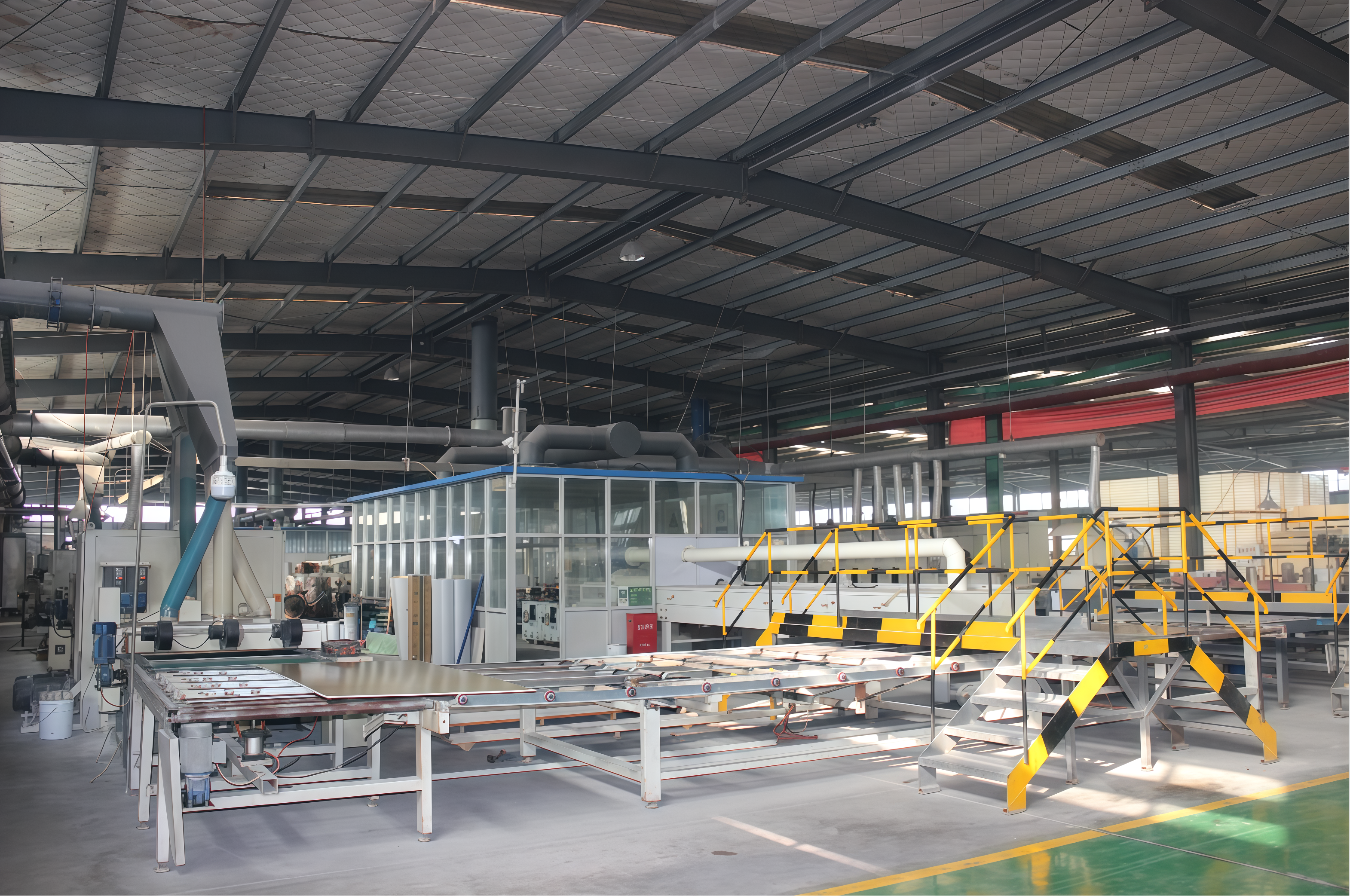 The Big Question: What Makes a Good One or a Bad One?
From what I’ve seen on job sites, the quality of a multi-color board comes down to three things:
1. Base material integrity. If the substrate is low-density, poorly cured, or prone to moisture absorption, it doesn’t matter how good the color is. The board will warp, swell, or delaminate. Look for consistent density and proper curing.
2. Colorfastness. Not all pigments are equal. Cheap boards use pigments that fade under UV exposure. Good ones either use UV-stabilized pigments or are intended for interior use where sunlight isn't an issue. Some manufacturers test for colorfastness and can show you the data.
3. The color layer's adhesion. If the color is a surface coating, adhesion is everything. Poor surface preparation means the color peels. Good manufacturers prep the surface properly—polishing, sealing, or priming before the color goes on.
Where Multi-Color Boards Actually Work
I’ve seen these boards used in all sorts of places, and some applications make more sense than others.
Interior accent walls are probably the most common use. A multi-color panel can turn a plain drywall surface into a design feature without the mess of on-site painting. Hotels, restaurants, and retail spaces use them this way all the time.
Ceilings are another solid application. Traditional ceiling materials are boring. Multi-color boards add visual interest overhead, and factory finishing means no painting above your head.
Commercial interiors like offices and lobbies benefit from the durability and design flexibility. A through-colored fiber cement board can handle high-traffic areas without showing wear.
Exterior facades are a tougher sell unless you're using a weather-rated, through-colored material. Not every multi-color board is rated for outdoor exposure. If you're putting these outside, make sure the manufacturer specifies them for exterior use.
Honest Talk About Pain Points
The biggest complaint I hear about multi-color boards is inconsistency. If you order a batch and the colors don’t match from one panel to the next, you’re in for a headache. This happens when manufacturers don’t control their pigment batches or their spraying process.
The second issue is installation damage. Edges chip, surfaces scratch. This is less of a problem with through-colored boards—scratches are less visible because the color runs deep—but surface-coated boards show every nick. Good installation crews handle panels carefully and use appropriate cutting and fastening techniques.
The third issue is long-term performance in humid environments. Some substrates absorb moisture and swell, which can cause the color layer to crack. If you’re installing in a bathroom, kitchen, or basement, stick with moisture-resistant base materials like fiber cement.
A Quick Word on Sourcing
If you’re sourcing multi-color boards for a project, here’s what I’d ask:
What’s the substrate? MDF, particleboard, fiber cement, or something else? The answer tells you how the board will perform in different environments.
Is the color through-colored or surface-coated? This affects durability and maintenance.
What’s the UV resistance? If the board is going near windows or outdoors, this matters.
Can I see a sample from the actual batch? Color consistency is a real issue. Don’t trust a catalog photo.
What certifications do you hold? Look for environmental certifications, fire ratings, and quality management systems like ISO 9001. These aren’t guarantees, but they’re a good starting point.

Bottom Line
Multi-color boards are a legitimate solution for adding color to interior spaces without the mess and variability of on-site painting. They work best when you choose the right substrate for the environment and the right coloring method for the expected wear and tear. They’re not magic, and they’re not all created equal. But if you do your homework and pick a manufacturer who controls their quality from raw materials to final finishing, they’re a solid choice that can save time and deliver consistent results.
Mobile: +86 150 6692 1266
WhatsApp: +86 150 6692 1266
Email: rogerliu0506@163.com
Mobile: +86 187 6968 0454
WhatsApp: +86 187 6968 0454
Email: jacky_xin@outlook.com
Search
Copyright © 2017-2020 cld. All rights reserved. Technical support Cloud Platform
This website uses cookies to ensure you get the best experience on our website.



 WhatsApp
 Phone
Phone E-mail